

Hoteles en Nikiski

Opciones de cancelación gratuita si cambias de planes

Acumula recompensas por cada noche de estancia

Ahorra más con los Precios para socios
Consulta precios para estas fechas
Esta noche
Mañana
Este fin de semana
El próximo fin de semana
Dónde hospedarse en Nikiski



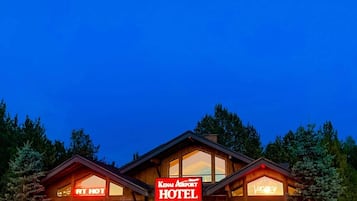
Kenai Airport Hotel
Kenai Airport HotelKenai
9.2 de 10, Magnífico, (331 opiniones)
El precio actual es de USD 149
USD 158 en total
impuestos y cargos incluidos
29 mar. - 30 mar.
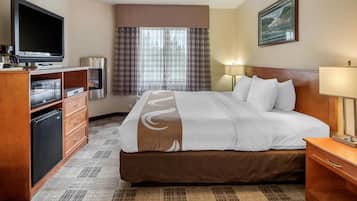
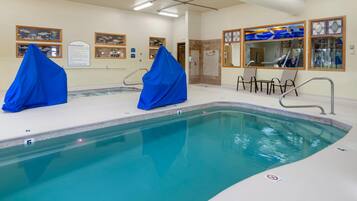


Quality Inn Kenai
Quality Inn KenaiKenai
8.4 de 10, Muy bueno, (587 opiniones)
El precio actual es de USD 125
USD 133 en total
impuestos y cargos incluidos
1 abr. - 2 abr.


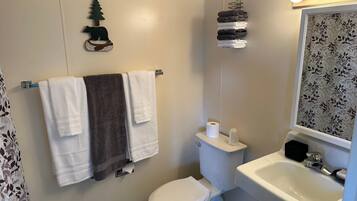

The Kenai Inn
The Kenai InnKenai
8.4 de 10, Muy bueno, (49 opiniones)
El precio actual es de USD 116
USD 123 en total
impuestos y cargos incluidos
27 mar. - 28 mar.




Aspen Extended Stay Suites Kenai
Aspen Extended Stay Suites KenaiKenai
9.0 de 10, Magnífico, (723 opiniones)
El precio actual es de USD 129
USD 137 en total
impuestos y cargos incluidos
16 abr. - 17 abr.
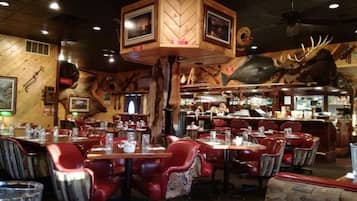
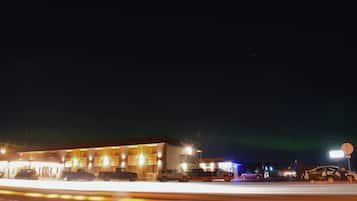


Uptown Motel Kenai
Uptown Motel KenaiKenai
8.6 de 10, Excelente, (302 opiniones)
El precio actual es de USD 109
USD 116 en total
impuestos y cargos incluidos
29 mar. - 30 mar.

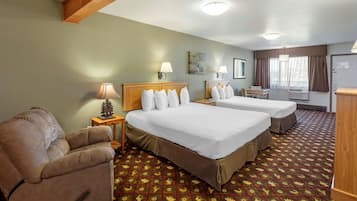

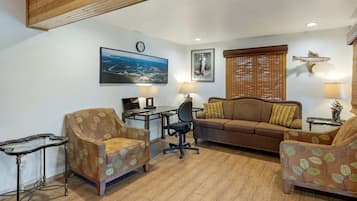
Best Western King Salmon Inn
Best Western King Salmon InnSoldotna
8.2 de 10, Muy bueno, (383 opiniones)
El precio actual es de USD 125
USD 138 en total
impuestos y cargos incluidos
28 mar. - 29 mar.


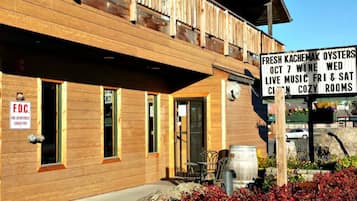

Soldotna Inn
Soldotna InnSoldotna
7.6 de 10, Bueno, (539 opiniones)
El precio actual es de USD 85
USD 94 en total
impuestos y cargos incluidos
27 mar. - 28 mar.
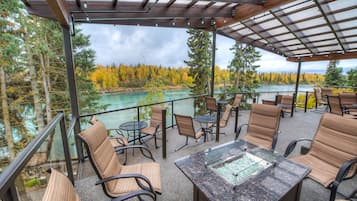

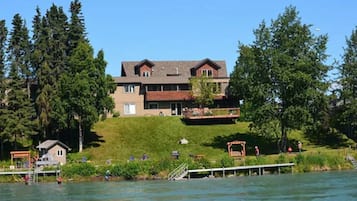
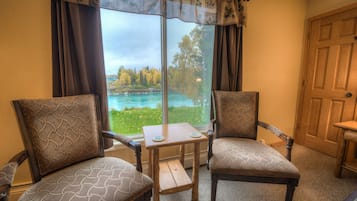
Kenai River Lodge
Kenai River LodgeSoldotna
8.4 de 10, Muy bueno, (747 opiniones)
El precio actual es de USD 130
USD 143 en total
impuestos y cargos incluidos
27 mar. - 28 mar.

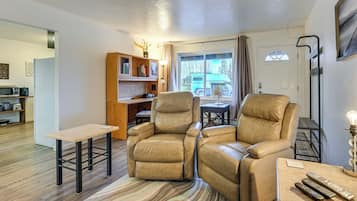


Comfort & Convenience! Apt in Central Soldotna
Comfort & Convenience! Apt in Central SoldotnaSoldotna
El precio actual es de USD 153
USD 465 en total
impuestos y cargos incluidos
27 mar. - 28 mar.


Alaska Angler's Inn
Alaska Angler's InnSoldotna
8.0 de 10, Muy bueno, (306 opiniones)
El precio actual es de USD 98
USD 108 en total
impuestos y cargos incluidos
27 mar. - 28 mar.



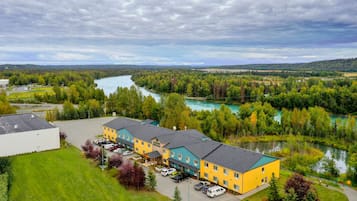
Aspen Hotel Soldotna
Aspen Hotel SoldotnaSoldotna
8.6 de 10, Excelente, (813 opiniones)
El precio actual es de USD 152
USD 167 en total
impuestos y cargos incluidos
17 abr. - 18 abr.


Southern Bluff B&B
Southern Bluff B&BSoldotna
10.0 de 10, Excepcional, (46 opiniones)
El precio actual es de USD 135
USD 141 en total
impuestos y cargos incluidos
1 abr. - 2 abr.
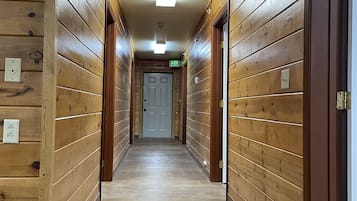

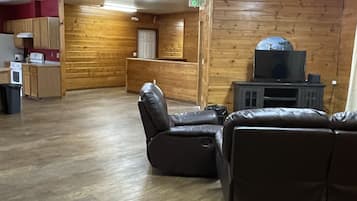

Soldotna Lodge
Soldotna LodgeSoldotna
6.0 de 10, (37 opiniones)
El precio actual es de USD 76
USD 78 en total
impuestos y cargos incluidos
27 mar. - 28 mar.


ALASKA LAKE and LODGE AT LONGMERE
ALASKA LAKE and LODGE AT LONGMERESoldotna
8.4 de 10, Muy bueno, (26 opiniones)
El precio actual es de USD 187
USD 193 en total
impuestos y cargos incluidos
29 mar. - 30 mar.
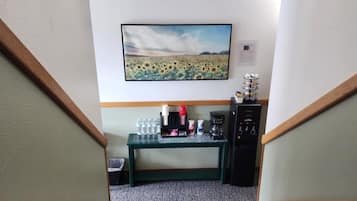
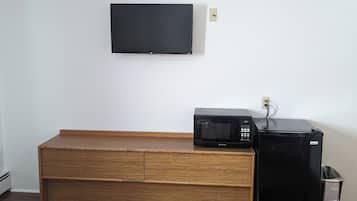
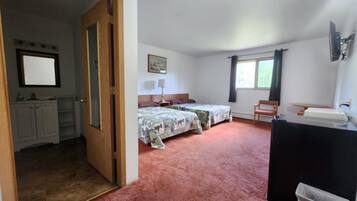

The Hibernation Station
The Hibernation StationSterling
9.2 de 10, Magnífico, (48 opiniones)
El precio actual es de USD 85
USD 88 en total
impuestos y cargos incluidos
27 mar. - 28 mar.
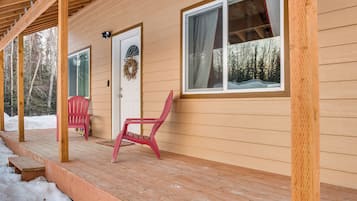
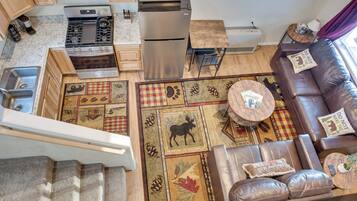
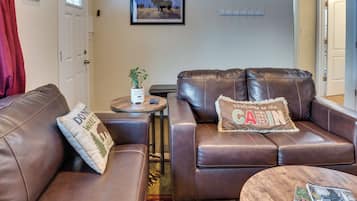
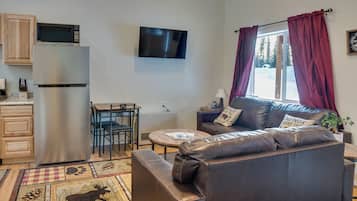
Soldotna Vacation Rental ~ 8 Mi to Kenai River!
Soldotna Vacation Rental ~ 8 Mi to Kenai River!Soldotna
10.0 de 10, Excepcional, (2 opiniones)
El precio actual es de USD 88
USD 307 en total
impuestos y cargos incluidos
29 mar. - 30 mar.


Cozy Soldotna Vacation Rental Near Kenai River!
Cozy Soldotna Vacation Rental Near Kenai River!Soldotna
El precio actual es de USD 98
USD 317 en total
impuestos y cargos incluidos
31 mar. - 1 abr.


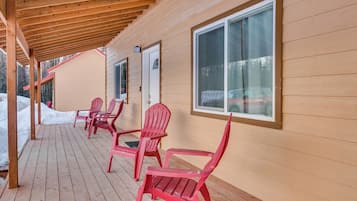
Soldotna Vacation Rental Near Fishing & Hiking!
Soldotna Vacation Rental Near Fishing & Hiking!Soldotna
El precio actual es de USD 83
USD 302 en total
impuestos y cargos incluidos
31 mar. - 1 abr.
Precio por noche más bajo encontrado en las últimas 24 horas para una estadía de una noche para dos adultos. Los precios y la disponibilidad están sujetos a cambios. Es posible que se apliquen más términos y condiciones.
Encuentra un hospedaje especial en Nikiski
Departamentos
Principales lugares de interés en Nikiski
Más información sobre Nikiski
Las atracciones, como Cabin Lake y Refugio Nacional de Vida Silvestre de Kenai, le dieron a Nikiski fama mundial. Esta ciudad, ubicada en un entorno alejado de todo, cuenta con puntos de interés como Island Lake y Kotsina Road.
![The Arctic Circle is one of the five major circles of latitude that mark maps of the Earth. As of 16 February 2015, it runs 66°33′45.6″ north of the Equator.
The region north of this circle is known as the Arctic, and the zone just to the south is called the Northern Temperate Zone. The equivalent polar circle in the Southern Hemisphere is called the Antarctic Circle.
The Arctic Circle is the southernmost latitude in the Northern Hemisphere at which the sun can remain continuously above or below the horizon for 24 hours (at the June solstice and December solstice respectively). North of the Arctic Circle, the sun is above the horizon for 24 continuous hours at least once per year (and therefore visible at midnight) and below the horizon for 24 continuous hours at least once per year (and therefore not visible at noon). On the Arctic Circle those events occur, in principle, exactly once per year, at the June and December solstices, respectively. However, in practice, because of atmospheric refraction and mirages, and because the sun appears as a disk and not a point, part of the midnight sun may be seen on the night of the northern summer solstice up to about 50′ (90 km (56 mi)) south of the Arctic Circle; similarly, on the day of the northern winter solstice, part of the sun may be seen up to about 50′ north of the Arctic Circle. That is true at sea level; those limits increase with elevation above sea level, although in mountainous regions there is often no direct view of the true horizon.
The position of the Arctic Circle is not fixed. It directly depends on the Earth's axial tilt, which fluctuates within a margin of 2° over a 40,000-year period,[2] notably due to tidal forces resulting from the orbit of the Moon. The Arctic Circle is currently drifting northwards at a speed of about 15 m (49 ft) per year; see Circle of latitude for more information.
#snow](https://images.trvl-media.com/place/6140564/a9f9449e-bab4-40a6-a9a1-5356b0cc2aa8.jpg?impolicy=fcrop&w=900&h=675&p=1&q=high)
Foto tomada por Sharrie Shaw
Foto de uso libre tomada por Sharrie Shaw
Lee las opiniones de los huéspedes sobre sus hoteles favoritos en Nikiski

Aspen Hotel Soldotna
10/10 Excelente