
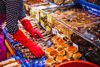
10 Best Markets in Incheon
Where to Go Shopping like a Local in Incheon?
The best markets in Incheon are woven into the way the city shops and eats, from specialist traders with generations of expertise to vendors turning out dishes that will have you returning again and again. Incheon’s history as a port has helped create a market scene where seafood, regional produce, traditional goods, fashion, and secondhand finds all have a place.
Spend time exploring and you’ll soon see why these markets remain such a draw. They offer the chance to buy directly from knowledgeable traders, discover specialties with local roots, and experience shopping that feels far removed from the city’s department stores and malls. Here are the Incheon markets worth making time for.
10 Best Markets in Incheon
- Incheon Complex Fish Market
- Soraepogu Traditional Fish Market
- Sinpo International Market
- Ganghwa Pungmul Market
- Singi Market
- Daeryong Market
- Moraenae Traditional Market
- Bupyeong Market
- Incheon Gajwa Market
- Ongnyeon Market
1. Incheon Complex Fish Market
The freshest catch in Incheon

Categoría: Ir de compras, Gastronomía en
Incheon Complex Fish Market puts you in the middle of the city’s seafood trade, with rows of fishmongers selling catches from the Yellow Sea and elsewhere around Korea. Its aisles feature separate areas devoted to fresh catches, dried seafood, salted specialties, and more. Clearly numbered stalls and grouping make this vast market manageable for first-time visitors.
The highlight is choosing a fish and having it prepared to order. Depending on what’s available, you might find flounder, rockfish, or sea bass alongside the day’s other catches, with vendors able to slice fresh fish into sashimi. Alternatively, find a nearby restaurant and try the spicy local favorite, maeuntang (fish stew).
Ubicación: 37, Yeonanbudu-ro 33beon-gil, Jung-gu, Incheon, South Korea
Horarios: Daily from 5 am to 9 pm

Incheon Complex Fish Market
2. Soraepogu Traditional Fish Market
Seasonal seafood by the port
Categoría: Ir de compras, Gastronomía en
Beside Sorae Port, Sorae Fish Market is especially prized for seasonal seafood, with crabs, shrimp, fish, and shellfish filling its counters. Blue crab is a signature catch in spring, while shrimp comes into its own in fall, and the market’s long-established salted-seafood trade remains an important part of the experience.
What sets Sorae apart is the chance to turn your purchase straight into a meal, with seafood prepared at nearby restaurants. Seasonal crab can be steamed, while fresh fish can be sliced for hoe (Korean-style sashimi). Visit in fall for the annual Soraepogu Festival, when you can try crab- and shrimp-catching, watch cultural performances, and stay for the fireworks.
Ubicación: 12, Soraeyeok-ro, Namdong-gu, Incheon, South Korea
Horarios: Daily from 7 am to 1 am
Soraepogu Traditional Fish Market
También te recomendamos consultar
3. Sinpo International Market
A historic market with serious flavor
Categoría: Gastronomía en , Historia, Ir de compras
Sinpo International Market has been a shopping hub since the late 19th century, and today more than 140 stores fill its covered arcade. Fresh fish and produce spill across counters, while other storefronts draw you toward racks of affordable clothing, shoes, and everyday Korean goods. Then follow the aromas to the various kitchens tucked among the shops.
The market’s signature bite is dakgangjeong, crispy fried chicken coated in a sticky, sweet-and-spicy sauce. There’s plenty more to eat as you explore, including dumplings, jjolmyeon (spicy chewy noodles), rice cakes, and baked treats. After exploring the market, cross into nearby Incheon Chinatown and swap the traditional market stalls for Chinese specialty shops and yet more delicious food.
Ubicación: 6-6 신포동 Jung-gu, Incheon, South Korea
Horarios: Daily from 10 am to 9 pm (closed on the first Monday of the month)
Sinpo International Market
4. Ganghwa Pungmul Market
Local treasures from land and sea
Categoría: Parejas, Gastronomía en , Ir de compras
Ganghwa Folk Flea Market is a showcase for the produce and specialties of Ganghwado Island. Look for the island’s distinctive purple-topped turnips alongside locally grown ginseng and mugwort, while fish and seafood from the surrounding waters fill another section of the market.
Local craftsmanship is a highlight, from hwamunseok, traditional mats meticulously woven from dyed sedge to hwabangseok floor cushions, woven baskets, and sochang cotton fabric. Upstairs, restaurants turn local produce and seafood into dishes you can try on the spot, while stalls sell specialties such as turnip kimchi and salted shrimp. Sample the different turnip kimchis before buying, as vendors make their own versions and often let you taste them first.
Ubicación: 17-9 Jungang-ro, Ganghwa-eup, Ganghwa-gun, Incheon, South Korea
Horarios: Daily from 8 am to 8 pm
Ganghwa Pungmul Market
5. Singi Market
Where Korean comfort food meets bargain hunting
Categoría: Ir de compras, Gastronomía en
Singi Market began as an alley market where farmers sold vegetables grown near Munhaksan Mountain, and it has grown into a covered maze of shops and stalls. Colorful fruit and vegetable displays give way to counters laden with fresh fish and seafood, while banchan sellers tempt you with trays of kimchi and seasoned vegetables. Between the food stalls, bargain hunters can search racks spilling over with affordable clothes, shoes, and accessories.
The market is also known for comforting Korean favorites such as hand-cut kalguksu noodles, dumplings, perilla-scented dakgangjeong, and hearty gamjatang (pork-bone stew). Purchase Singi’s unusual Singi Tongbo tokens that are modeled on traditional brass coins and can be spent at participating snack stalls.
Ubicación: 1336-29 Juan-dong, Michuhol-gu, Incheon, South Korea
Horarios: Daily from 9 am to 10 pm
Singi Market
6. Daeryong Market
A market shaped by wartime history
Categoría: Gastronomía en , Historia, Ir de compras
Daeryong Market looks like a pocket of mid-20th-century Korea, with narrow alleys, hand-painted signs, and old barbershops, tailors, and pharmacies tucked behind weathered storefronts. Refugees from Yeonbaek founded the market during the Korean War, recreating the marketplace they’d left behind in what is now North Korea. Bring ID to cross Gyodong Bridge, as the island lies beyond a military checkpoint.
The tiny shops are packed with things to eat and take home, from Ganghwa turnip kimchi and ginseng makgeolli to buckwheat snacks, traditional candy, and crisp potato and sweet-potato chips. Don’t leave without trying gangajitteok, a chewy North Korean-style rice cake filled with red bean paste that has become one of Daeryong Market’s signature treats.
Ubicación: 460-2 Daeryong-ri, Gyodong-myeon, Ganghwa-gun, Incheon, South Korea
Horarios: Daily from 9 am to 5 pm
Daeryong Market
7. Moraenae Traditional Market
Traditional shopping with plenty to taste
Categoría: Ir de compras, Gastronomía en
Incheon Moraenae Market stretches through covered shopping lanes in Guwol-dong. This is where fishmongers arrange the day’s catch, banchan counters glow with colorful side dishes, and mills press sesame and perilla seeds into fragrant oils. Dig a little deeper and you can hunt for Korean cosmetics and affordable fashion, examine traditional sauces and dried seafood, or browse shops filled with bags, bedding, and kitchenware.
Neighboring Guwol Market adds more traditional shopping, with stalls where you can pick through seasonal ingredients, freshly made foods, flowers, and plants alongside smaller independent shops. Finish your shopping day with a bubbling pan of gopchang stew in the adjoining restaurant area.
Ubicación: 42-8 Hogupo-ro 810beon-gil, Namdong-gu, Incheon, South Korea
Horarios: Daily from 10 am to 10 pm
Moraenae Traditional Market
8. Bupyeong Market
A whole district devoted to shopping
Categoría: Familias, Gastronomía en , Ir de compras
Bupyeong Market brings several neighboring shopping areas together under one name, with Bupyeong General Market at its heart. Its covered lanes are made for rummaging: pause at busy butchers and seafood counters, then duck into stores piled with bedding, shoes, clothing, crafts, and practical goods for the home. Hundreds of traders make this one of Incheon’s largest traditional market areas.
Nearby Bupyeong Kkang Market shifts the focus toward food shopping, with seasonal fruit and vegetables piled high and fishmongers displaying fresh and dried seafood. Once you’ve explored both, head to Bupyeong Modoo Mall beneath Bupyeong Station to hunt for affordable Korean fashion, K-beauty, bags, shoes, and accessories.
Ubicación: Bupyeong District, Incheon, South Korea
Bupyeong Market
9. Incheon Gajwa Market
Home of the kodari kimbap
Categoría: Parejas, Familias, Gastronomía en
Gajwa Market squeezes plenty into its covered lanes, with around 140 stores spanning everything from fresh food to fashion. Browse colorful produce displays, watch fishmongers prepare the day’s seafood, then delve into shops selling clothing and practical goods. The market dates back to the early 1970s, and its most well-known feature is the kangaroo mascot dotted around the market. Keep an eye out for the different ones and stop for a selfie as you explore.
You’ll also find handmade fish cakes fried at the market, classic fried chicken, and red bean porridge made with Korean-grown beans. Make sure you try kodari kimbap, which pairs the familiar rice roll with seasoned semi-dried pollock.
Ubicación: 18-19 Janggogae-ro 337beon-gil, Seo-gu, Incheon, South Korea
Horarios: Daily from 9 am to 9 pm
Teléfono: +82 (0)32-584-5006
Incheon Gajwa Market
10. Ongnyeon Market
Big flavors tucked into a small market
Categoría: Ir de compras, Gastronomía en
Ongnyeon Market packs specialist food shops into a compact covered market. Peer into dried-seafood stalls for grilled filefish, dried pollock, octopus, and anchovies, or stop at the mill for freshly made tofu, acorn jelly, and sikhye rice drink. Fishmongers handle everything from crab and shrimp to cutlassfish, while clothing shops break up the food stalls with women’s fashion, scarves, underwear, and socks.
Ready-to-eat food is another strength, with handmade dumplings, jokbal (braised pig’s trotters), and Korean pancakes. Don’t miss sampling a freshly cooked red fish cake, served in a fiery sauce rather than the usual broth, or opt for delicious sliced daebangeo (large yellowtail) in winter.
Ubicación: 462-164 Ongnyeon-dong, Yeonsu-gu, Incheon, South Korea
Horarios: Daily from 9 am to 7 pm
Ongnyeon Market
Este artículo incluye opiniones del equipo editorial de Go Guides. Hoteles.com compensa a sus autores por los artículos que se muestran en el sitio. La compensación puede incluir costos de viaje y otros costos.