
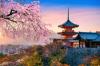
The Best Times to Visit Tokyo
When to Visit Japan and What to Do?
To ensure you have the most amazing vacation, it’s a good idea to find out the best time to visit Tokyo. Its seasonal festivals, captivating landmarks, flavorful cuisine, and bustling streets create an unforgettable Japanese adventure.
In spring, vibrant blossoms color the city while fall’s hues delight the senses. Winter showcases serene temples and festivals, and summer brings lively events and fireworks. Savor exquisite sushi, explore historic sites, and make incredible memories. Let’s dive into the best times for a vacation in Tokyo.
1. Cherry Blossom Season
Springtime splendor in full bloom

Good for: Photo, Couples
Cherry Blossom Season in Tokyo is a spectacular experience that offers a peek into the historical roots of Edo culture, where the tradition flourished. This period is ideal for visitors who revel in capturing the beauty of nature and immersing themselves in cultural history. The city transforms into a pink paradise, with sakura trees gracing parks like Ueno, and art exhibits celebrating the iconic bloom.
During this time, indulge in serene hanami (blossom viewing) cruises along the Sumida River and don’t miss the limited-time regional sakura goods available at department stores. For a peaceful experience, visit popular spots like Chidorigafuchi early in the morning.

Cherry Blossom Season
2. Fall
A golden autumnal extravaganza
Good for: Adventure, Food
Tokyo’s fall is a vibrant season, showcasing nature’s golden hues against the urban backdrop. This time is ideal for adventure seekers and culture enthusiasts, as the city comes alive with events and activities like seasonal sumo tournaments and wagashi (traditional candy) crafting workshops.
If you’re a nature lover, explore Tokyo’s urban hiking trails like Mount Takao, and Ginkgo Avenue at Meiji Jingu Gaien offers a stunning walk through golden-lined trees. Don’t forget to visit the universities hosting cultural festivals in November, offering a taste of student life with food stalls and performances.
Fall
3. January and February
A time for tradition in a modern city
Good for: Shoppers, Families
For a unique glimpse into the city’s winter charm, plan a vacation to Tokyo during January or February. These months are a blend of traditional and modern experiences, suitable for those interested in cultural exploration. Participate in a New Year’s tradition by strolling through daruma doll markets and enjoying strawberry picking in suburban Tokyo.
Enjoy the contrast of snow-dusted shrines like Meiji Jingu against modern skyscrapers, then attend a winter jazz or classical concert at venues like Suntory Hall for a magical evening. If love a good bargain, partake in the fukubukuro shopping tradition, where they can snag lucky bags filled with mystery items at discounted prices.
January and February
4. May
Mild weather brings pretty sights all around
Good for: Photo, Nightlife
May in Tokyo caters to culture enthusiasts with events like the Kanda Matsuri, one of the city’s major Shinto festivals. It takes place in odd-numbered years and showcases grand parades and traditional rituals. Nature lovers should explore Tokyo’s green spaces for urban birdwatching, while photographers should visit rooftop gardens that offer stunning skyline views.
You can also enjoy open-air art installations in public spaces like Roppongi Hills, or hop on a train to destinations like Chichibu for a scenic day trip. Keep an eye out for seasonal train journeys that reveal Japan’s natural beauty in all its glory.
May
5. July and August
A summer of dancing, food, and art
Good for: Families, Food, Photo
For a vacation bursting with energy, July and August really showcase Tokyo’s spirited traditions. Wander Tokyo’s friendly neighborhoods and join in the customary bon odori dances and sample sticks of takoyaki (fried octopus balls). When it gets dark, take a Tokyo Bay night cruise to enjoy the glittering skyline and fireworks.
The Mori Building Digital Art Museum is a must-visit thanks to its gorgeous, immersive, and illuminated art installations. It even has extended hours in the cooler evenings. Attend the limited-time anime and pop culture events in Akihabara and Ikebukuro, too, especially if you’re a fan of Japanese pop culture.
July and August
6. Golden Week
A combination of four national holidays
Good for: Families, Food, History
A major holiday period from late April to early May, Golden Week is ideal for travelers looking to experience the city’s festive atmosphere in a short amount of time. For starters, the Imperial Palace opens areas usually closed to the public, so take advantage of this rare opportunity to explore Japan’s imperial heritage. Additionally, many attractions extend their opening hours, allowing you to explore Tokyo at your own pace.
Spaces like the huge Yoyogi Park host pop-up markets and artisan fairs that are wonderful for souvenir-hunting, while train-themed events at railway museums are a hit with families. Be sure to check out the special museum programming tailored for holiday crowds, offering interactive exhibits and workshops.
Golden Week
7. Sumida River Fireworks Festival
A spectacular summer tradition since 1733
Good for: Photo, Families, Couples
The Sumida River Fireworks Festival is a summer highlight for photography enthusiasts and those looking to experience traditional festivities. Deeply rooted in Edo-period culture, the festival prays for good fortune with a stunning fireworks display across the river. With dual launch sites, the resulting panoramic view is simply incredible.
Indulge in traditional summer treats like kakigori (shaved ice) and candied fruit, and admire the locals in their beautiful yukata. For a more intimate experience, explore neighborhood mini-festivals near the river. Be sure to arrive early to secure a good spot along the riverbank, or opt for riverside reserved seating for the best viewing experience without the crowds.
Sumida River Fireworks Festival
8. Mitama Matsuri
An illuminated spectacle to honor ancestors
Good for: Photo, Nightlife, Families
Held at the Yasukuni Shrine every summer, Mitama Matsuri is a touching and visually beautiful festival that’s beloved by both locals and tourists. Once night falls, the shrine is illuminated with over 30,000 lanterns, creating a mesmerizing backdrop for the festivities.
Enjoy traditional dance and taiko drumming performances and personalize your own lantern dedication. Bring your camera, because the glowing lanterns against the night sky make a stunning sight that begs to be captured. If you do go inside the main hall, remember to be respectful of this spiritual space.
Location: 3 Chome-1-1 Kudankita, Chiyoda City, Tokyo 102-0073, Japan
Phone: +81 (0)33-261-8326
Mitama Matsuri
9. Shichi-Go-San
A charming family celebration
Good for: History, Families
Gain insight into traditional Japanese family rituals by visiting Tokyo during Shichi-Go-San. It celebrates the growth and well-being of children aged 3, 5, and 7 with visits to major shrines and celebratory meals.
Children often wear ornate traditional clothes for the first time, and you’ll see plenty of people wearing the finest yukata. Photography is popular as a result, but be sure to ask permission before snapping any shots. You can also sample chitose ame, a red and white candy that symbolizes longevity. Take the time to explore local shrine celebrations for a chance to discover lesser-known spiritual sites.
Shichi-Go-San
10. New Year
A joyous beginning
Good for: Families, Couples, Food
Japan is renowned for throwing amazing New Year’s celebrations, and Tokyo is no different. New Year’s in Tokyo is a joyous occasion filled with cultural and spiritual experiences. Ring in a new beginning by participating in hatsumode, the first temple visit of the new year, at major shrines like Meiji Jingu. Make a small offering and draw an omikuji fortune to set the tone for the coming months and experience the joya no kane bell ringing, a Buddhist tradition that cleanses worldly desires. Certainly don’t miss the exclusive osechi ryori meals, beautifully boxed and symbolizing prosperity.
For dazzling light shows and countdown events, visit Tokyo Tower or Skytree and commemorate the evening with a meaningful, limited-edition lucky charm.
New Year
This article includes opinions of the Go Guides editorial team. Hotels.com compensates authors for their writing appearing on this site; such compensation may include travel and other costs.