


Free cancellation options if plans change

Earn rewards on every night you stay

Save more with Member Prices
Hostels in Kyoto


1. Piece Hostel Sanjo
Piece Hostel Sanjo


2. WeBase KYOTO - Hostel
WeBase KYOTO - Hostel


3. K's House Kyoto - Hostel
K's House Kyoto - Hostel


4. Kyoto Guesthouse HIVE - Hostel
Kyoto Guesthouse HIVE - Hostel


5. Piece Hostel Kyoto
Piece Hostel Kyoto


6. Len KYOTO KAWARAMACHI – Hostel
Len KYOTO KAWARAMACHI – Hostel


7. Ryokan Hostel Gion
Ryokan Hostel Gion


8. Guest House Oumi - Hostel
Guest House Oumi - Hostel


9. LiVEMAX HOSTELS Kyotoekimae
LiVEMAX HOSTELS Kyotoekimae


10. HARUYA Umekoji - Hostel
HARUYA Umekoji - Hostel


11. HARUYA Higashiyama - Hostel
HARUYA Higashiyama - Hostel


12. R Star Hostel Kyoto Japan
R Star Hostel Kyoto Japan


13. Gion Koh - Hostel
Gion Koh - Hostel


14. Guesthouse Sakura Komachi - Hostel
Guesthouse Sakura Komachi - Hostel


15. Guesthouse KINGYOYA - Hostel
Guesthouse KINGYOYA - Hostel


16. Hostel Otro Mundo
Hostel Otro Mundo


17. Iwatoyama Hostel EXseed
Iwatoyama Hostel EXseed


18. Mulan Hostel
Mulan Hostel


19. Kokonoe Machiya
Kokonoe Machiya


20. Hostel Sui Kyoto
Hostel Sui KyotoTop neighborhoods in Kyoto

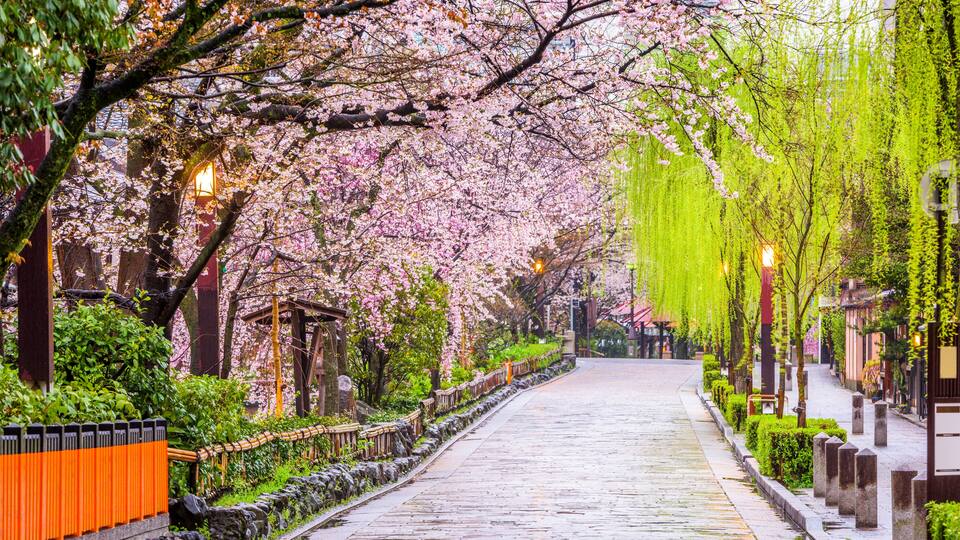
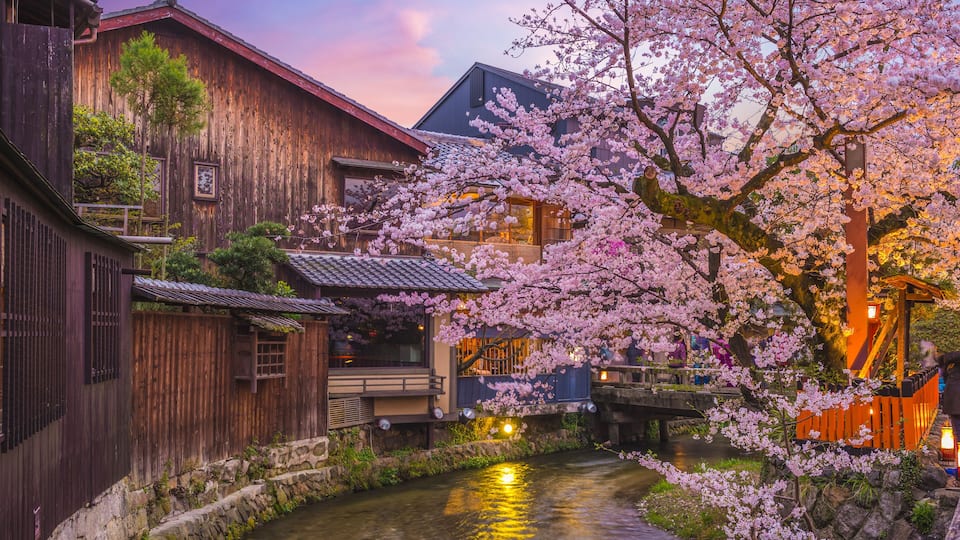


Gion
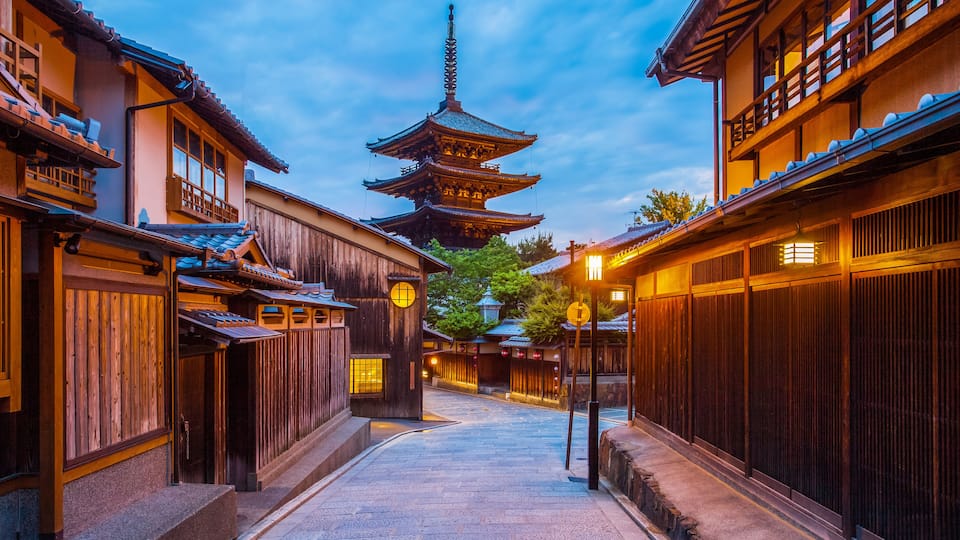
Wander through Gion's narrow lanes where wooden machiya houses transport you to old-world Kyoto. Catch glimpses of geiko and maiko hurrying to appointments in elegant kimono along Hanamikoji Street. Yasaka Shrine's vermillion gates and the willow-lined Shirakawa canal create perfect photo backdrops for culture seekers. Temple gardens offer peaceful retreats from the bustling crowds. Exclusive kaiseki restaurants hide behind unassuming wooden facades, requiring reservations weeks ahead. Artisan shops sell handcrafted kimono accessories and traditional fans until early evening. Visit during morning hours to avoid the tourist crush. The neighborhood is best explored on foot, with the Gion-shijo Station connecting you to greater Kyoto.

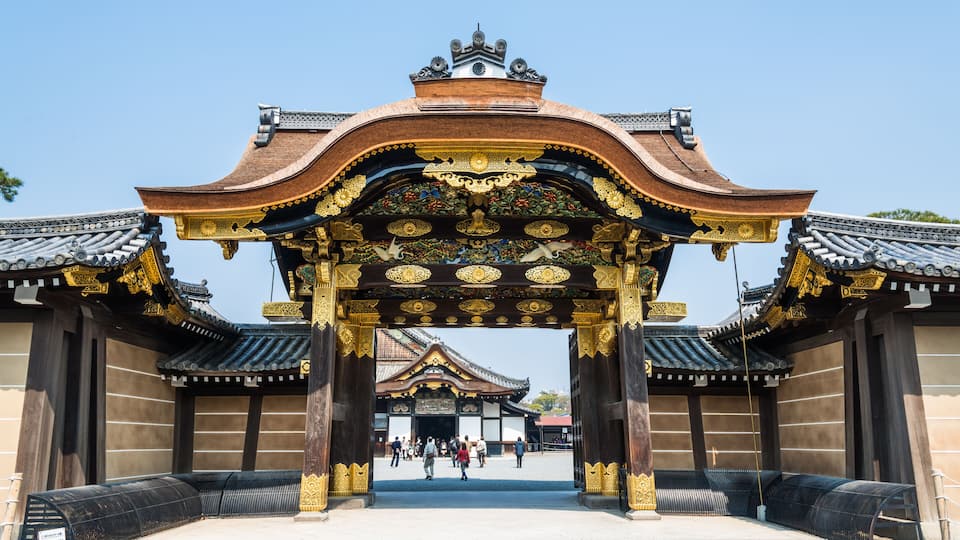
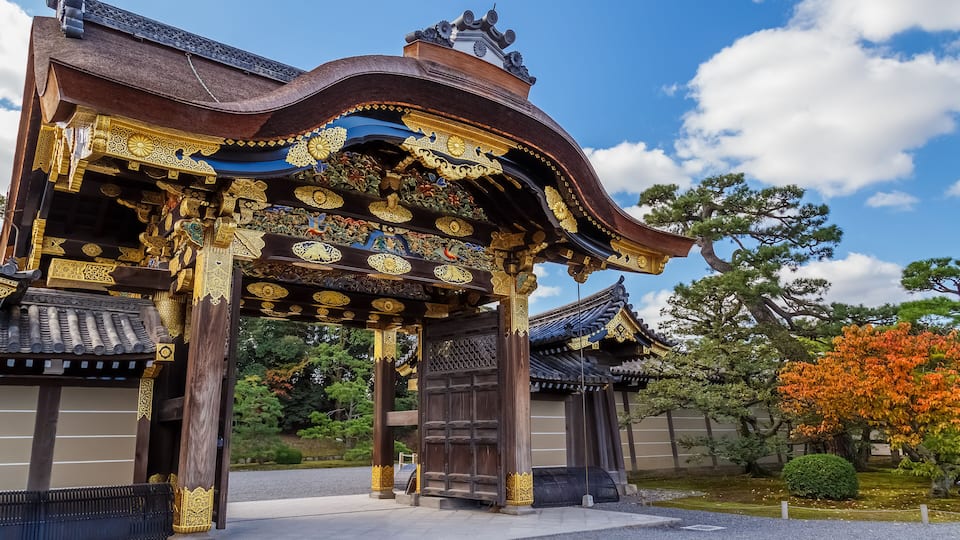


Central Kyoto
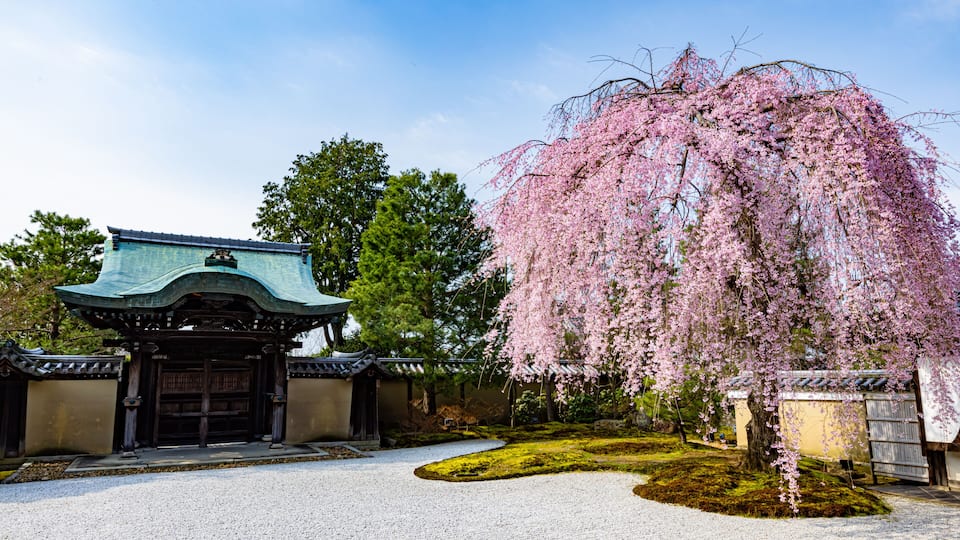
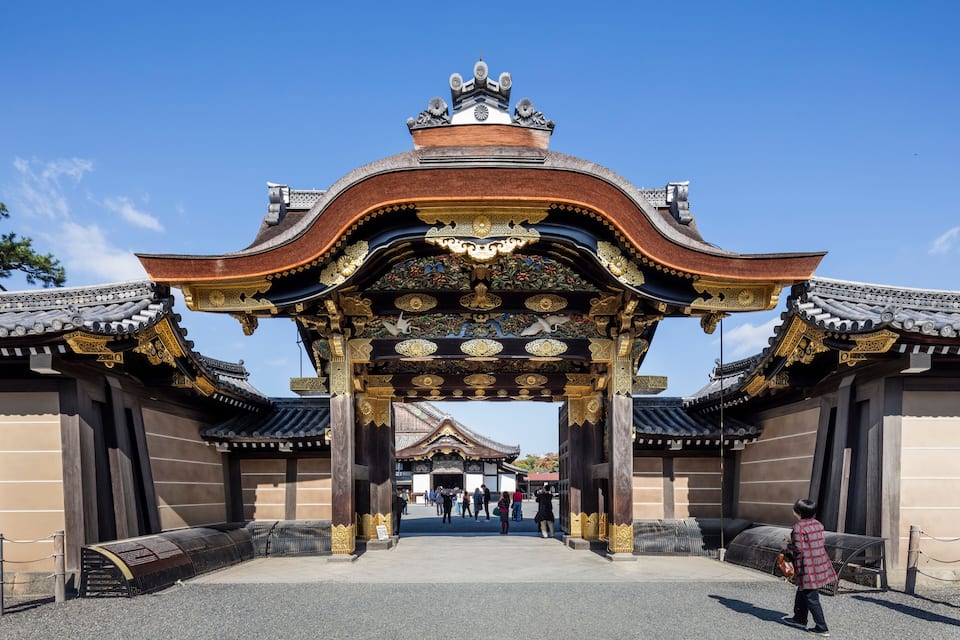
Central Kyoto's historic streets are home to breathtaking UNESCO treasures like Kiyomizu-dera Temple and Nijo Castle. You can immerse yourself in authentic Japanese culture through mesmerizing geisha performances in Gion or peaceful tea ceremonies amid picturesque gardens. Wander through the thousands of vermilion torii gates at Fushimi Inari Shrine or marvel at the gleaming Kinkaku-ji Golden Pavilion. Traditional ryokans offer tatami floors and cultural immersion while local shops showcase exquisite textiles and ceramics. The neighborhood is best explored on foot or via the convenient metro stations at Imadegawa, Kuramaguchi, or Nijojo-mae. Morning visits help you dodge crowds and soak up temple bell echoes across this living museum of Japanese heritage.


Higashiyama Ward
Traditional-style buildings and protected status define this part of Kyoto, with entertainment in Gion near Yasaka Shrine. Must-see attractions include Kiyomizu Temple, Kyoto National Museum, and Namikawa Cloisonne Museum.


Arashiyama
Historic Site and Place of Scenic Beauty, Arashiyama offers attractions like Iwatayama Monkey Park, Tenryū-ji temple, and Sagano bamboo forest. Easily accessible and walkable, it's perfect for exploring Kyoto's western outskirts.


Nishijin
Kyoto's cultural Nishijin neighborhood is loved for its castle and coffeehouses, and visitors often enjoy its varied attractions including Nishijin Textile Center and Funaoka Thermal Bath.
Top landmarks in Kyoto




Kyoto and related destinations
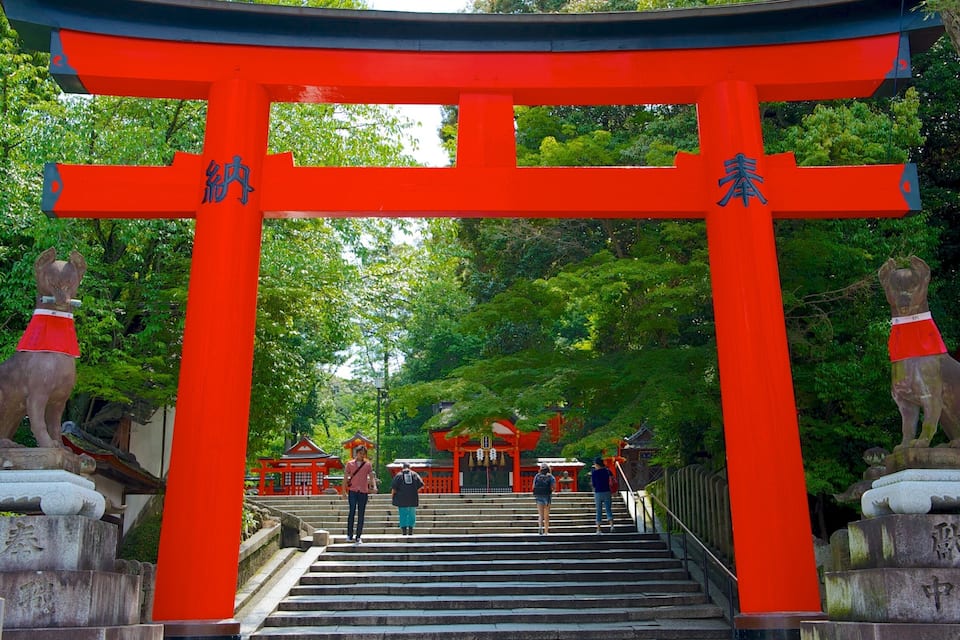
Between ancient temples and modern manga museums, Kyoto reveals itself through contrasts. Wander through vermillion gates at Fushimi Inari Shrine, where thousands of torii create tunnels of orange against green mountainside. Geisha hurry through narrow Gion streets at dusk, their white-painted faces glimpsed briefly before disappearing into exclusive teahouses. The golden pavilion of Kinkaku-ji appears to float on its reflecting pond, somehow more impressive than any photograph suggests. Nishiki Market offers bizarre delicacies and perfect ceramics in equal measure. Don't miss Arashiyama's bamboo grove, where morning light filters through impossibly tall stalks creating a green cathedral effect that explains why the Japanese find spirituality in nature.
